Nationwide Nursing Home & Abuse Lawyers
Dedicated legal advocates protecting your loved ones nationwide. When nursing homes break their promise of care, our experienced attorneys fight for the justice your family deserves.
If your loved one has been injured or has died in a nursing home, you probably have a lot of questions — and not many straightforward answers. This page covers what families ask most often before deciding whether to speak with a lawyer.
If you don’t see your question here, or you’re ready to discuss a specific situation, contact us for a free case review. There is no cost and no obligation.
Nothing upfront. Our firm handles nursing home neglect cases on a contingency fee basis, which means you pay no attorney’s fees unless we recover compensation for you. There are no hourly charges, no retainers, and no out-of-pocket costs to get started.
We listen to what happened, ask questions about the injury or death, and give you an honest assessment of whether we believe you have a viable case. We do not pressure anyone to hire us. If we think we can help, we explain how. If we don’t think a case is strong, we’ll tell you that too.
Most cases resolve in one to three years, depending on the complexity of the injuries, the facility’s cooperation, and whether the case settles or goes to trial. Cases involving wrongful death or severe injury — such as sepsis, advanced pressure ulcers, or traumatic falls — often involve more evidence and take longer to build properly. We will give you a realistic timeline based on the specific facts of your situation.
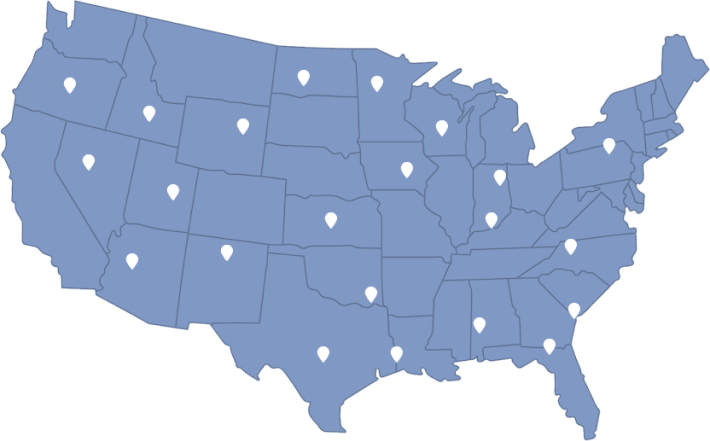
We handle serious nursing home neglect and wrongful death cases in Tennessee, Illinois, Georgia, and Kentucky. If you are in one of those states and your loved one has suffered a significant injury or death caused by neglect, we encourage you to reach out.
Abuse is an intentional act — hitting, restraining without cause, sexual assault, or deliberate psychological harm. Neglect is a failure to provide adequate care — leaving a resident in soiled bedding, failing to reposition a bedridden patient, ignoring signs of infection, or not providing adequate food and fluids. Both can cause serious harm and both can support a legal claim. Many cases involve elements of both.
What Is the Difference Between Nursing Home Abuse and Neglect?
Cases that typically support a claim involve serious, documented harm caused by a facility’s failure to provide adequate care. Common examples include:
Minor injuries or isolated incidents without lasting harm are generally not strong candidates for litigation. Our firm focuses on serious cases where the facility’s failures caused real, measurable harm.
Yes. When neglect or abuse contributes to a resident’s death, the family may have a wrongful death claim. These cases allow surviving family members — typically a spouse, children, or the estate — to seek compensation for the resident’s pain and suffering, medical expenses, and the family’s loss. Wrongful death claims in nursing home cases are among the most serious matters we handle.
Nursing Homes and Wrongful Death Cases
Possibly. Many nursing homes require residents or families to sign arbitration agreements at admission, which attempt to prevent lawsuits from being filed in court. These agreements are frequently challenged and are not always enforceable. Whether an arbitration clause applies to your case depends on how and when it was signed, the specific language used, and state law. We review these agreements as part of every case evaluation.
How Nursing Home Arbitration Agreements Affect Your Right to Sue
Nursing home cases are not simple. Facilities are represented by experienced defense attorneys, and the evidence — medical records, staffing logs, inspection reports — must be carefully analyzed. That said, well-documented neglect leading to serious injury or death can be proven. The key is working with a firm that has handled these cases before and understands how facilities operate and how they defend claims.
In most cases, the resident can file their own claim if they are mentally competent to do so. If the resident lacks capacity due to dementia or another condition, a legal guardian, power of attorney, or family member may be authorized to file on their behalf. In wrongful death cases, the claim is typically filed by the estate or surviving family members under state law. The specific rules vary by state. We can help clarify who has standing to file in your situation.
The statute of limitations sets a deadline for filing a claim. Missing that deadline generally bars you from pursuing the case entirely.
These are general rules — specific circumstances can shorten or extend these deadlines. If you are unsure whether your window is still open, contact us as soon as possible. Time is often the most critical factor in these cases.
What Is the Statute of Limitations for Nursing Home Abuse Lawsuits?
Proving neglect requires establishing that the facility owed your loved one a duty of care, that it failed to meet that standard, and that the failure caused the injury or death. Evidence typically includes medical records, nursing notes, staffing records, state inspection reports, and expert testimony from medical professionals. Thorough documentation — including photographs of injuries, written records of incidents, and communications with facility staff — strengthens the case significantly.
There is no standard amount. Compensation depends on the severity of the injury, the cost of medical treatment, the degree of pain and suffering, whether the resident died, and how clearly the facility’s negligence can be established. In serious injury and wrongful death cases, settlements and verdicts can range from tens of thousands to several million dollars. We do not take cases we do not believe in — when we accept a case, we pursue full accountability.
How Much Can You Sue a Nursing Home for Negligence?
Recoverable damages typically include:
In cases of egregious or intentional misconduct, punitive damages may also be available depending on state law.
Yes. Bedsores — also called pressure ulcers or pressure injuries — are largely preventable with proper repositioning, skin monitoring, and nutrition. When a resident develops Stage 3 or Stage 4 pressure ulcers, it is often a direct result of inadequate care. These injuries can lead to serious infection, sepsis, and death. We handle bedsore cases regularly and understand the medical and facility standards involved.
Bed Sore & Pressure Sore Injuries | Can I Sue a Nursing Home for Bedsores?
Yes, if the fall resulted from the facility’s failure to take reasonable precautions — inadequate supervision, failure to use bed rails or call systems, improper transfer technique, or ignoring a known fall risk. Falls that cause fractures, traumatic brain injuries, or spinal damage are particularly serious. Not every fall supports a legal claim, but falls resulting from systemic failures in care often do.
Nursing Home Falls & Fractures
Yes. If neglect or abuse contributed to a resident’s death — whether through untreated infection, advanced bedsores, a preventable fall, elopement, or any other failure — the family may have a wrongful death claim. These cases require prompt action given the statute of limitations deadlines noted above.
Nursing Homes and Wrongful Death Cases
Yes. Sepsis — a life-threatening response to infection — frequently develops in nursing home residents when wounds, urinary tract infections, or other conditions go untreated. Facilities are required to monitor residents for signs of infection and respond promptly. When they fail to do so and a resident develops sepsis or dies as a result, that failure can support a negligence claim.
Sepsis | Nursing Home Infections | Urinary Tract Infections (UTIs) in Nursing Homes
Yes. Nursing homes are required to have systems in place to prevent residents — particularly those with dementia or cognitive impairment — from wandering away unsupervised. This is called elopement. When a facility fails to properly monitor a resident and that resident is injured or killed after wandering, the facility can be held liable.
Wandering & Elopement Injuries | Can I Sue a Nursing Home If My Loved One Wandered Away and Got Injured?
If you believe your loved one is being neglected or abused:
Reporting Nursing Home Abuse and Neglect
You have the right to report concerns to your state’s long-term care ombudsman or health department — and in some situations it may be the right first step, particularly if a resident remains in danger. However, how and when you report can affect your legal case. We recommend speaking with an attorney first or at minimum at the same time, so you understand your options and protect your rights throughout the process.
How to Report a Nursing Facility to State Authorities
Yes. You are not required to keep your loved one in a facility where you believe they were harmed in order to pursue a legal claim. In fact, if the situation is unsafe, moving them is the right thing to do. We can help you think through the practical and legal considerations involved in making that transition.
Can I Move My Loved One to a Different Facility During a Nursing Home Abuse Lawsuit?
If your loved one has suffered a serious injury or died in a nursing home in Tennessee, Illinois, Georgia, or Kentucky, we are available to review your situation at no cost. There is no obligation to hire us, and we do not charge anything unless we recover compensation for your family.
Dedicated legal advocates protecting your loved ones nationwide. When nursing homes break their promise of care, our experienced attorneys fight for the justice your family deserves.